One Simple Switch That Can Dramatically Increase Your Daily Fiber
Beans might be the single most powerful, affordable, versatile food you're not eating enough of. And if you’re not a bean fan yet, their health benefits and delicious flavor just might change your mind.
Why Beans Should Be Your Go-To for Beating Cravings and Boosting Fiber
Beans aren’t just a trend; they’ve stood the test of time, showing up in cuisines across the globe for generations. With more than 20,000 species, you can find them everywhere on Earth except Antarctica. They deliver some of the most impressive health benefits of any food on the planet, which is exactly why they are a cornerstone of the Full Plate Approach to filling your 75% Zone. Learn even more in the free Full Plate Living Program.
Just a half-cup serving packs a powerful fiber punch, delivering 4–8 grams that push you closer to Full Plate Living’s 40-gram+ daily fiber goal. That slow-digesting fiber is your ticket to feeling satisfied longer, which keeps your energy steady and supports healthy blood sugar levels.
Beans aren't just about fiber, though — they’re also loaded with plant protein, making them an excellent choice for everyone, and they’re naturally rich in essential micronutrients like iron, magnesium, folate, and potassium. And let’s not forget your gut! Beans are an incredible source of fuel for a thriving microbiome. They nourish the healthy bacteria in your digestive system and are full of protective compounds, including antioxidants that help protect your cells from damage caused by stress and inflammation.
Don’t get stuck on one kind! From black beans to lentils and limas, each variety brings its own unique mix of nutrients to the table, so eating a variety of beans means your body gets an even greater range of benefits.
How People Leverage The Power of Beans In Different Countries
Beans have been fueling families and sustaining communities all over the world for generations. Need proof? Just look around the globe:
- Mexico: Black beans simmer with garlic and herbs, ready to fold into your next taco or spread across a tostada.
- South Asia: Lentils are cooked down into comforting dal seasoned with turmeric and cumin, perfect for scooping up with warm roti.
- East Asia: Soybeans star as edamame—those young pods, boiled and salted—a simple snack that's been part of Japanese and Chinese food culture for centuries.
- Middle East: Chickpeas get ground into crispy falafel or blended smooth into delicious hummus.
- West Africa: Black-eyed peas are stewed with vibrant tomatoes, scotch bonnet peppers, and smoked fish. This tradition traveled across the Atlantic, making black-eyed peas a foundational ingredient in Southern cooking classics like Hoppin' John.
- Sweden: Yellow pea soup has been a weekly ritual served on Thursdays since the Middle Ages, a tradition still going strong in homes and schools today.
The bottom line? Beans are already part of your food story, no matter where you come from. Honoring cultural food traditions is part of the Full Plate Approach. Go ahead and Power Up your favorite meals by embracing these diverse, traditional powerhouses.
Stretch Your Grocery Dollar (and Your Meals!)
Looking to make your plate and your wallet happy? Beans are your secret financial weapon.
When it comes to stretching your grocery budget, beans are hard to beat. Whether you grab a can—which is fast, inexpensive, and super accessible—or stock up on dried beans for even bigger savings and easy batch cooking, you win. Think about it: beans cost a fraction of what meat does per serving, while still loading your plate with protein, fiber, and essential nutrients.
Beans are the ultimate kitchen multiplier, too. Toss black beans into chili, stir chickpeas into soup, or blend pintos into pasta sauce. Suddenly, your meal goes further, feeding more people without straining your grocery budget. And the fiber addition makes it more filling. Since dry and canned beans last on your shelf for months, they cut down on food waste and those annoying last-minute grocery runs. Consider them your reliable "pantry insurance" for a healthier, fuller plate, and a happier wallet.
Good for You, Great for the Planet
Beyond your health and your wallet, adding beans to your plate is a huge win for the planet.
Adding in more beans is one of the easiest and most accessible ways to make your plate more planet-friendly. They boast one of the lowest carbon footprints around, needing relatively few resources to thrive. But here’s the truly amazing part: they give back!
Bean plants are nature’s tiny helpers. As they grow, they actually pull nitrogen right out of the air and deposit it into the soil, helping build healthier ground and reducing the need for synthetic fertilizers. Every crop of beans leaves the earth a little better off than before. And the innovation doesn’t stop there: scientists are studying super-tough bean varieties that can handle drought and heat, making them a cornerstone for nourishing communities even as the climate changes.
Adding beans to your next meal isn't just a win for your health—it’s a surprisingly big step you can take right now to also improve the health of the planet.
Adding Beans to Your Plate: Let's Make It Doable
It’s time to move beans from the "maybe" pile to the "must-have" pile, and we’re making it easy.
Beans are ready to fit into your busiest days:
- Fastest Option: Canned beans are the ultimate convenience food—just rinse them off, heat, and eat. (Pro tip: Rinsing cuts the sodium by about 40%. You can also look for low- or no-added salt options.)
- Budget & Batch Cooking: Dried beans are perfect for cooking big batches. Soak your beans, cook them up, and freeze portions to use throughout the week.
- Lentil Lifesaver: If you’re really short on time, lentils are your new best friend. They don't require any soaking and cook in just 15 minutes.
- Freezer Fix: Frozen beans like limas and black-eyed peas are another simple option to keep on hand. They are already cooked and ready to enjoy after heating.
The easiest way to start? Add them to meals you’re already eating.
Don't overcomplicate it. The simplest way to boost your plate 75% Zone is by tossing beans into your favorite everyday dishes:
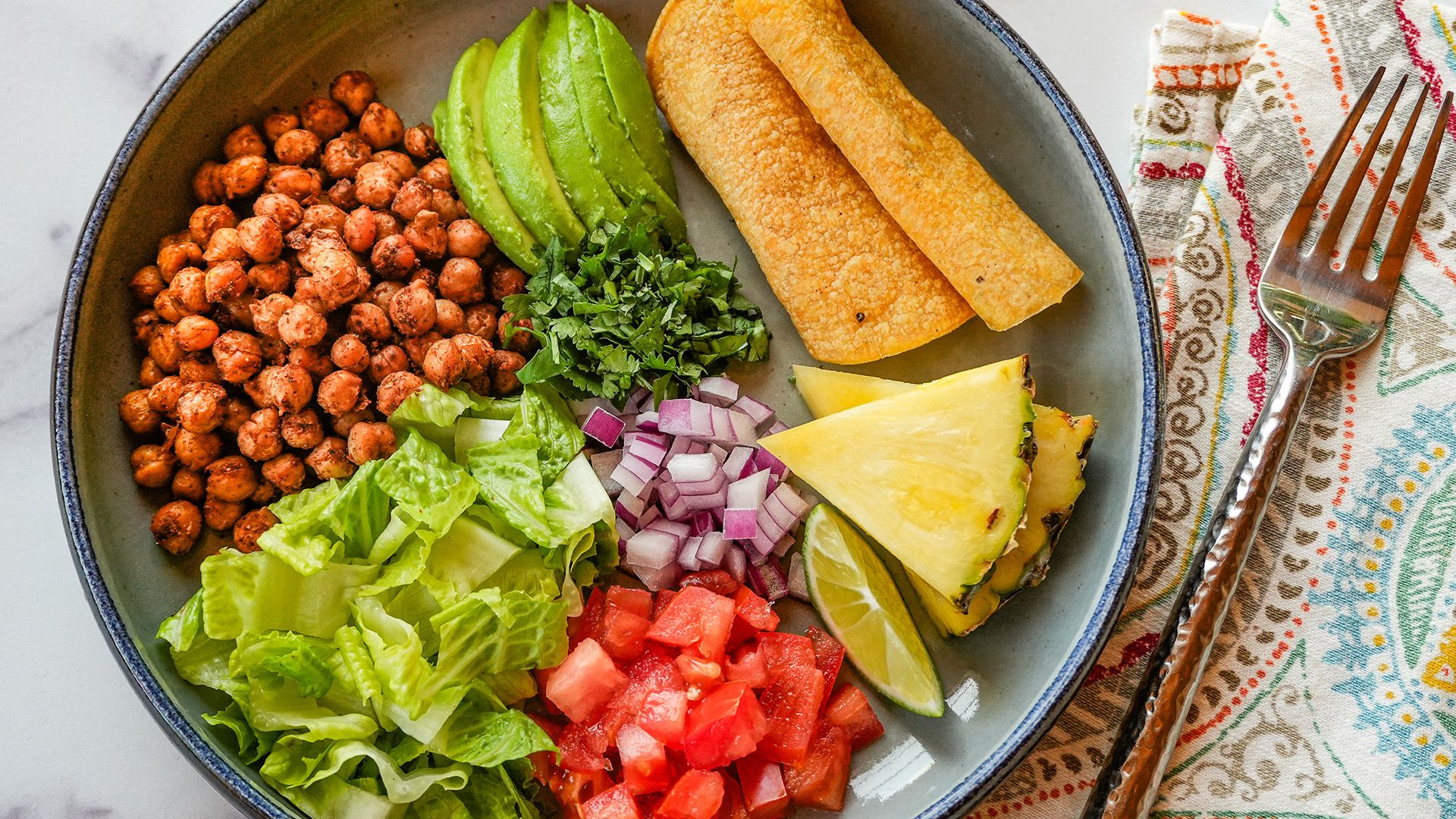
- Toss chickpeas or black beans into salads.
- Stir lentils into your soups, stews, and pasta sauce.
- Blend navy beans or lima beans into smoothies (we promise you won't taste them).
- Add black-eyed peas to frozen veggies or frozen dinners.
- Make a simple, colorful 3-bean side dish with cranberry beans, kidney beans, and pintos.
Start with a bean you already like. No need to look up complicated recipes yet.
Start slowly!
We know that extra fiber can sometimes come with unwanted "sound effects." But don't worry, your gut just needs time to adjust.
- Go Slow: Try adding just ¼ cup of beans a day and stick with that for a couple of weeks. Then, slowly bump up to ½ cup. This gradual approach is key to enjoying a full cup without discomfort.
- Rinse Away the Gas: If you're using canned beans, give them a really good rinse first. This washes away the complex sugars in the liquid that contribute to extra gas.
- Need a Backup? An over-the-counter enzyme like Beano can help, but always check with your doctor first.
Take The Bean Challenge: Your Health Will Thank You
Ready to put all this bean wisdom into action?
You don't have to overhaul your plate overnight. At Full Plate Living, we believe small, consistent steps lead to meaningful, long-term outcomes—and adding beans is one of the easiest ways to start filling your 75% Zone. We teach this in our free Full Plate Living Program.
So, here's your challenge: Pick just one meal this week, and add a ¼ cup of beans. That’s it. Enjoy the boost, and repeat.
Join the free Full Plate Living Program today to discover more practical tools and healthy recipes to help you take simple steps toward a healthier you.
Brought to you in partnership with our friends at Food + Planet.
Full Plate Living is a small-step approach with big health outcomes. It's provided as a free service of Ardmore Institute of Health.